 Free shipping on orders over 249 SAR


A backpack is an indispensable companion in modern life, whether you are commuting to work, embarking on a wilderness trail, or traveling the globe. Selecting the right backpack, understanding its types, and handling it properly not only ensures the safety of your gear but also protects your physical health and spinal alignment.

1. Types of Backpacks and Their Uses
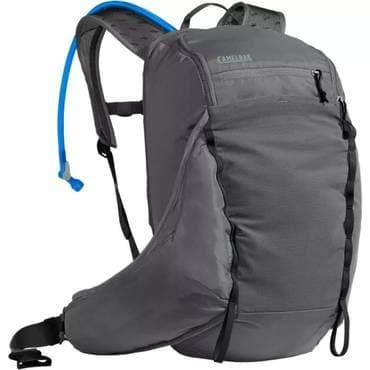
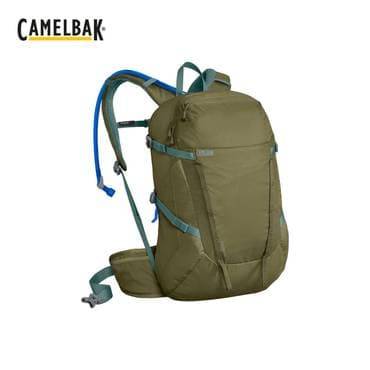
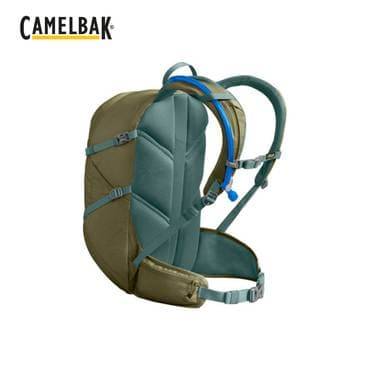
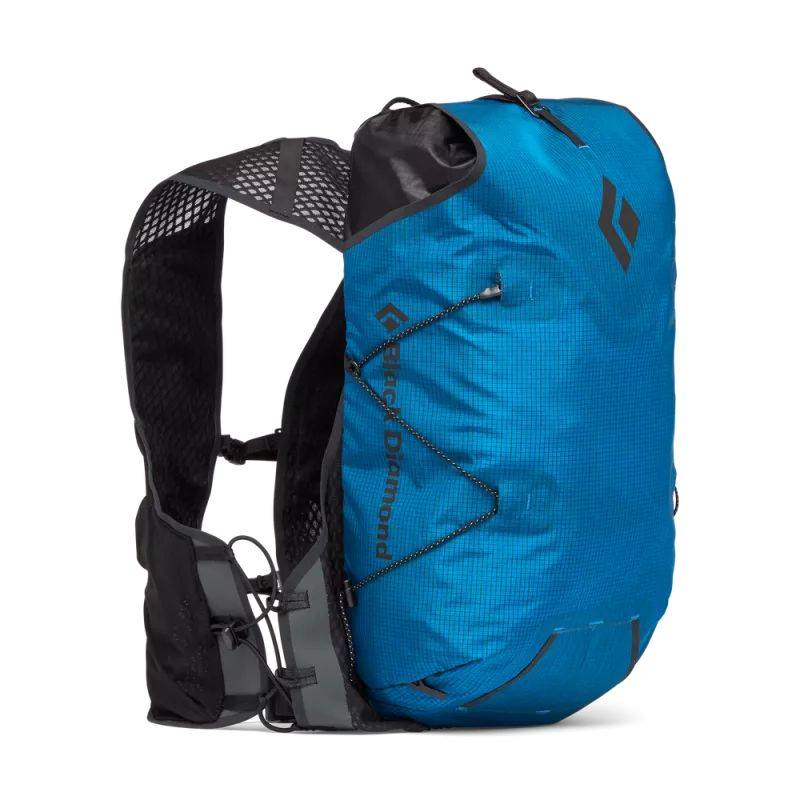
- Daypacks (15 - 30 Liters): Perfect for work, commuting, and short day trips. They usually feature padded laptop sleeves and dedicated organizers for tech accessories.
- Travel Backpacks (35 - 55 Liters): Designed as an alternative to traditional suitcases. They open flat (suitcase-style) for easy packing and meet standard airline carry-on dimensions.
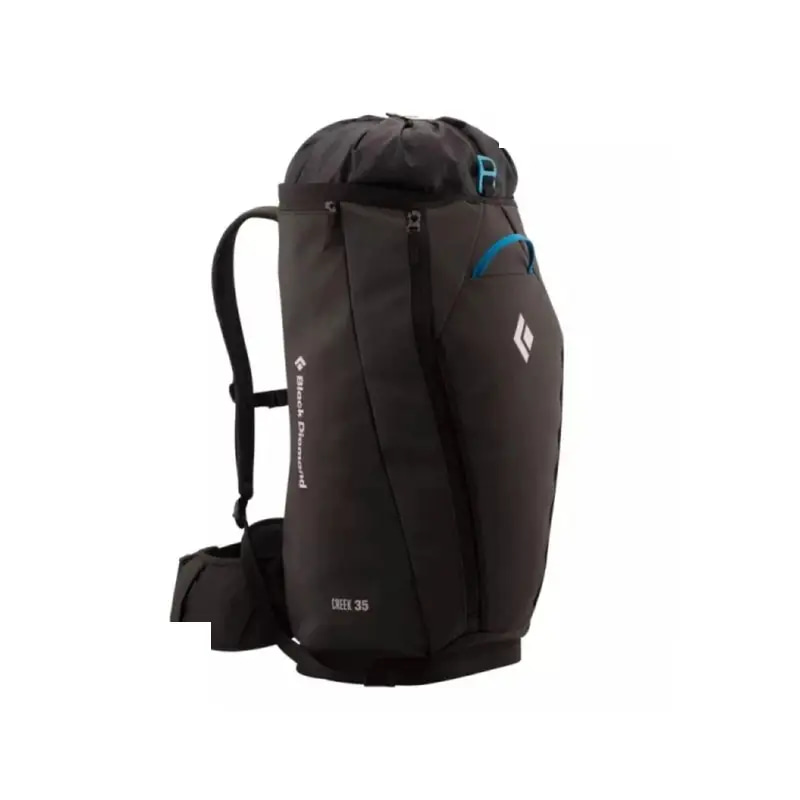
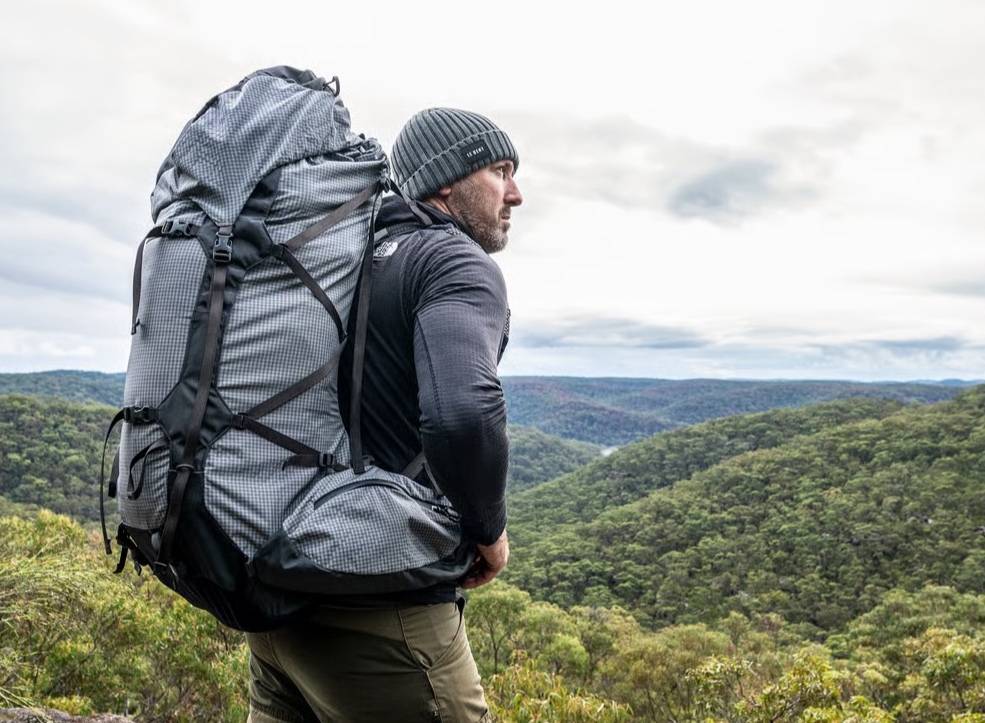
- Hiking & Outdoor Packs (50 - 80+ Liters): Built for multi-day expeditions and trekking. They feature rigid internal frames for load distribution, heavy-duty hip belts, and weather-resistant fabrics.
2. Key Criteria for Choosing the Right Backpack
- Torso Length Fit: The pack should match the length of your spine (measured from the base of your neck to the top of your hip bones), rather than your overall height.
- The Hip Belt: On larger packs, a well-fitted hip belt transfers about 70% - 80% of the total weight from your shoulders to your stronger pelvic region, preventing upper back strain.
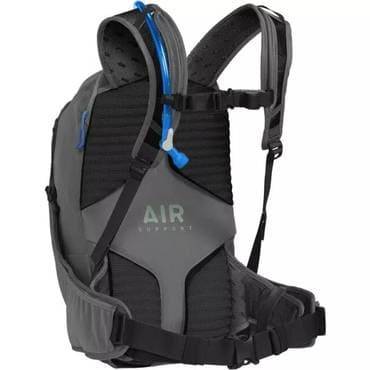
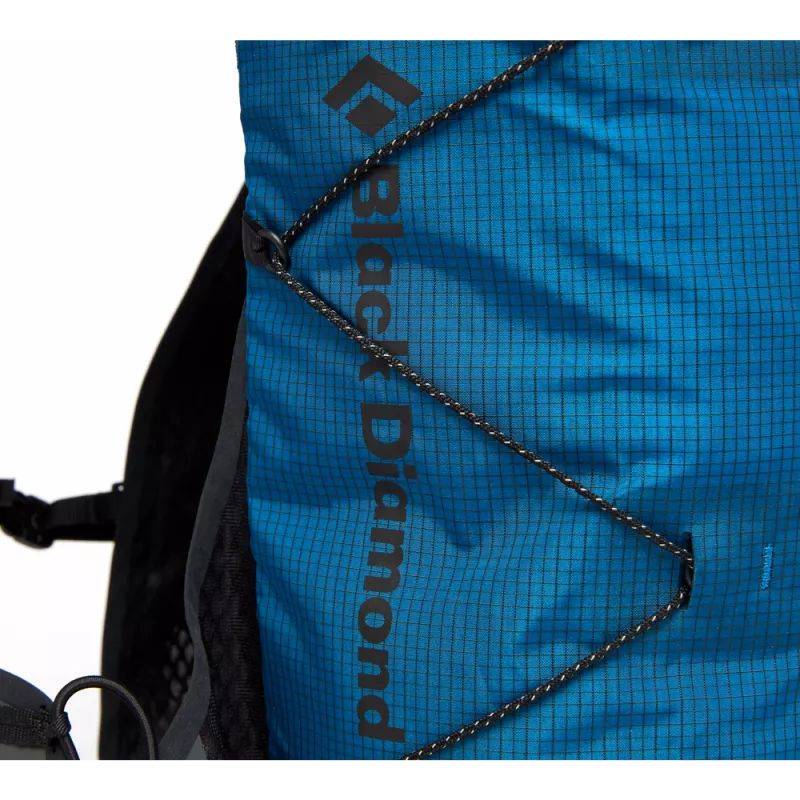
- Materials & Ventilation: Opt for high-density, tear-resistant fabrics such as Ripstop Nylon. Ensure the back panel features a breathable mesh design to optimize airflow and reduce sweat.
💡 Pro Packing Tip: When packing, position the heaviest items (like laptops, heavy books, or gear) in the center of the pack, aligned closely against your spine. This maintains your natural center of gravity and prevents back slippage.
3. Proper Handling, Ergonomics, and Maintenance
- Dual-Strap Carrying: Always wear your backpack using both shoulder straps. Single-strapping forces the spine into an unnatural curvature, causing chronic neck and shoulder misalignment over time.
- The Optimal Weight Rule: For standard daily usage, the total weight of a packed bag should never exceed 10% - 15% of an adult's total body weight.
- Cleaning and Storage: Never machine-wash a backpack, as it compromises the integrity of protective waterproof coatings. Clean it using a damp cloth with mild soap, and air-dry it completely in the shade.
Backpacks Size Guide:
Daypacks: They come with an approximate capacity ranging from 15 to 30 liters, making them excellent for work, offices, and short day trips. They typically feature padded laptop sleeves and organizers for pens and small electronic devices.
Travel Backpacks: Their capacity ranges from 35 to 55 liters, and they are specifically designed to replace traditional rolling suitcases. They open fully like a suitcase for easy packing and match standard airline carry-on dimensions.
Hiking/Backpacking Packs: Their capacity starts from 50 to over 80 liters, and they are dedicated to long distances and trekking. They feature a rigid internal frame for optimal weight distribution, along with reinforced hip and sternum straps, and are crafted from heavy-duty, weather-resistant materials.