Free shipping on orders over 249 SAR


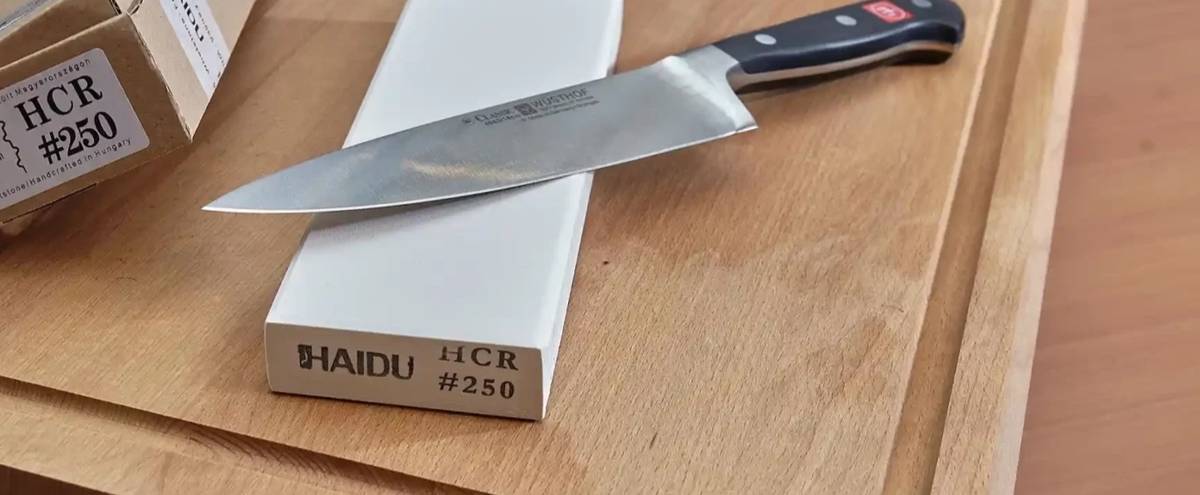
How to Choose the Right Sharpening Stone?
Choosing the right stone depends entirely on the knife type and its steel composition. Hard steel blades require fine-grit stones to avoid damaging the edge, while standard knives benefit more from medium or coarse-grit stones. Additionally, you should consider the stone's size and portability during travel to ensure maximum convenience on the go.
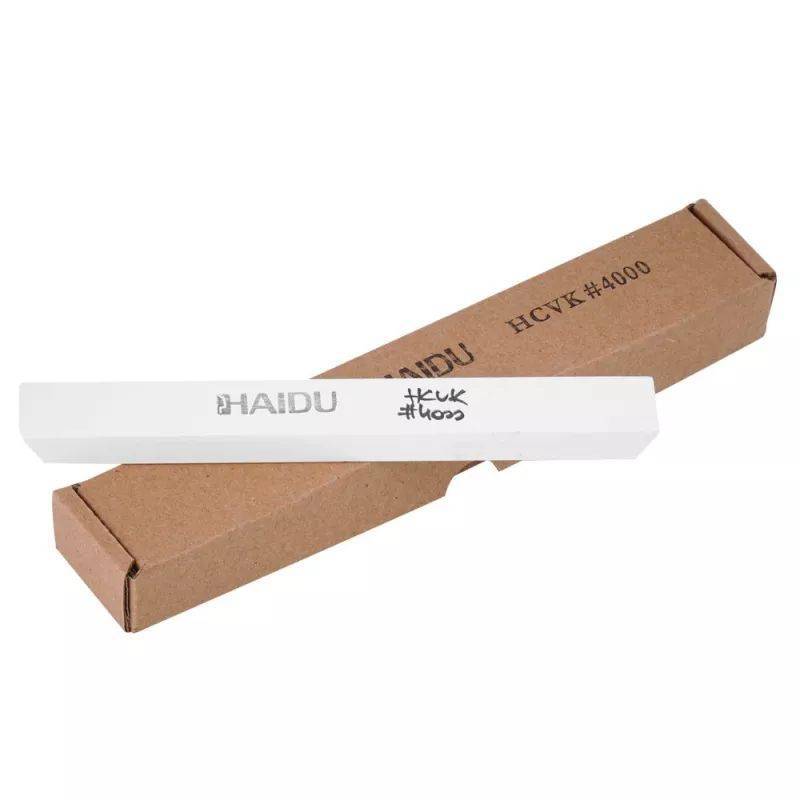
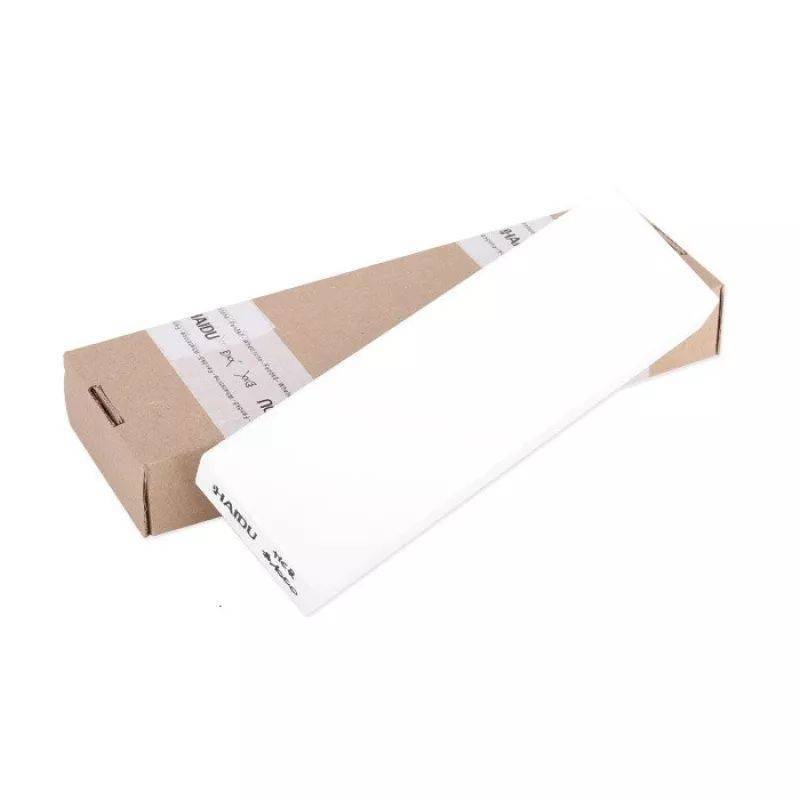
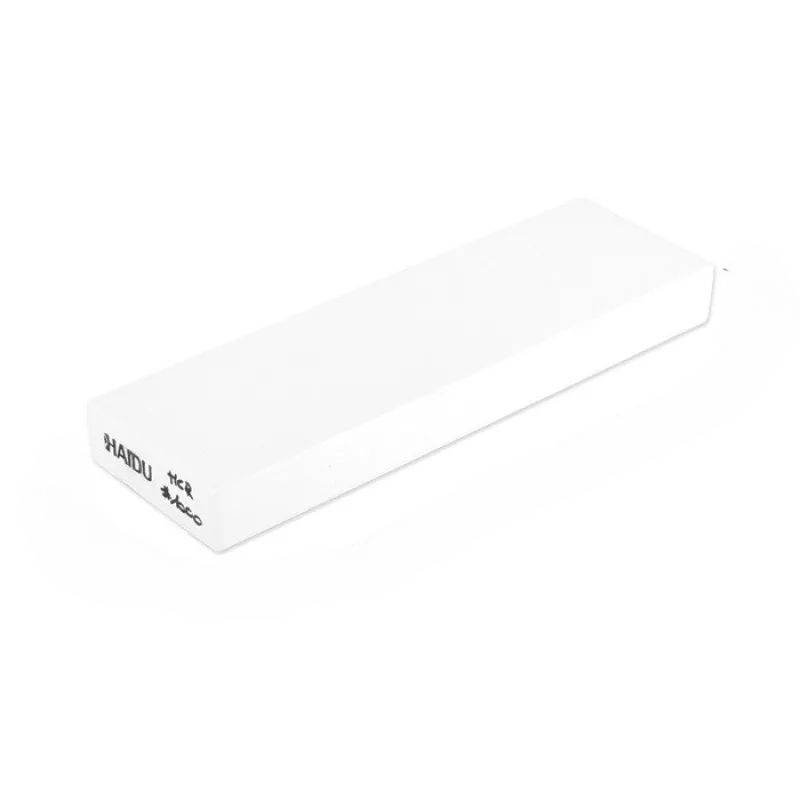
At Advsto, we offer a versatile collection of premium ceramic sharpening stones from the world-renowned brand Haido, allowing you to pick the perfect match while guaranteeing elite quality.
How to Sharpen Knives on a Stone: A Step-by-Step Guide
- Prep the Tools: Wash both the knife and the stone, then dry them thoroughly.
- Set the Angle: Maintain a consistent sharpening angle between 15° and 20°, depending on your knife type.
- The Sharpening Motion: Gently glide the blade back and forth across the stone, applying moderate, even pressure.
- Balance Both Sides: Repeat the process equally on both sides of the blade until it regains its razor sharpness.
- Clean and Store: Clean the knife post-sharpening and store your sharpening stone in a completely dry place.
Tips for Keeping Your Knives Sharp During Long Trips
- Inspect Regularly: Check your blade's sharpness consistently and do not delay necessary touch-ups.
- Stay Equipped: Always carry your Haido ceramic sharpening stone from Advsto with you.
- Proper Storage: Store knives in a secure, dry place to prevent moisture exposure and rust.
Frequently Asked Questions (FAQs)
1. How can I sharpen knives at home?
- Set up your workspace: Clean the knife and your sharpening stone (a ceramic stone or other suitable sharpening stones are preferred).
- Lubricate the stone: Wet the stone slightly with water, as some stones require lubrication before use.
- Lock the angle: Keep the knife at a steady angle, usually between 15° and 20° based on the blade type.
- Glide the blade: Stroke the knife back and forth across the stone while maintaining the exact angle and moderate pressure.
- Flip and repeat: Work on the other side of the blade to ensure an evenly balanced sharpness.
- Clean up: Wipe the knife down to remove any metal residue, and dry it thoroughly.

2. What is the best stone for sharpening a knife?
A ceramic sharpening stone is widely considered one of the best choices because it is:
- Lightweight and highly portable for outdoor trips.
- Durable, long-lasting, and resistant to quick wear.
- Delivers a highly precise, smooth, and refined edge.
3. How many passes on the stone are needed to sharpen a knife?
It depends entirely on the blade's condition, but generally:
- 10 to 20 passes per side if the knife is moderately dull.
- More passes may be required if the knife is severely dull or chipped.
- The golden rule is to perform an equal number of passes on both sides to keep the edge perfectly centered.
4. What is the correct knife sharpening angle?
- The ideal sharpening angle is typically between 15° and 20°.
- Precision knives (like Japanese culinary knives) require a finer angle, closer to 15°.
- General utility, outdoor, or Western kitchen knives utilize an angle of around 20°.
- Maintaining a consistent angle throughout the entire process is the ultimate secret to a sharp and long-lasting edge.