Free shipping on orders over 249 SAR


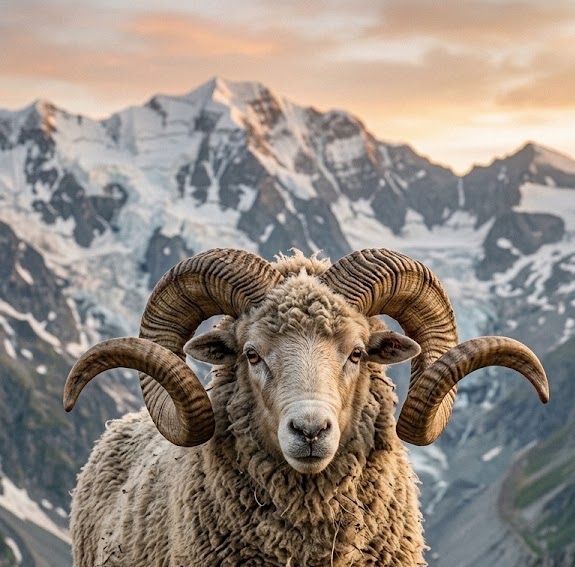
Australian Merino wool is among the finest and softest types of wool in the world, possessing unique natural properties unmatched by any other fiber, whether natural or synthetic. While Australia produces other types of wool suitable for home furnishings and décor, Merino remains the ultimate choice for luxury apparel, high-performance sportswear, and next-to-skin garments. This fabric is highly regarded by fashion designers for its quality and versatility; nothing compares to how it feels, looks, or wears.
How Merino Wool is Made Australian sheep farmers produce this luxurious wool using sustainable agricultural practices. Unlike synthetic fibers made from non-renewable fossil fuels, Merino grows naturally year-round. The flock thrives on simple natural elements: sunshine, water, fresh air, and grass. These sheep produce a new fleece every year, making wool a completely renewable resource.
Believed to be the oldest animal fiber known to man, wool is primarily composed of a natural protein called "keratin" (the same protein found in human hair), along with trace amounts of calcium, sodium, and fat. The surface of each fiber is covered in microscopic scales, which play a crucial role in the production of felt and woolen fabrics.
Types of Wool Wool is classified into three main categories based on fiber thickness (measured in microns). One micron equals one-millionth of a meter and serves as the primary standard for determining wool quality and application:
- Fine Wool: Sourced from Merino sheep, featuring the lowest micron count. It is used in high-quality fabrics and soft knitting yarns, serving as a staple in top global fashion houses.
- Medium Wool: Produced from specific Merino breeds or crossbreeds. It is used in a variety of clothing and furnishing fabrics.
- Broad (Coarse) Wool: Produced by "dual-purpose" sheep breeds (raised for both meat and wool). It has thicker fibers, making it highly durable and ideal for carpet manufacturing.
Note on Softness: Human hair ranges from 50 to 100 microns in thickness, while Merino wool is typically less than 22 microns. This extreme fineness often makes it softer than cashmere and smoother than silk.
Merino Wool vs. Cashmere Animal fibers (such as wool, cashmere, and alpaca) feature a unique scaly structure not found in plant fibers (like cotton) or synthetics (like polyester). These scales provide natural protection and make the surface inherently water-resistant. Here are the main differences:
- Source: Merino comes from Merino sheep (ideal for luxury and technical clothing), whereas cashmere is sourced from goat hair.
- Softness: Thanks to innovative breeding, some superfine Merino wools are now naturally softer than cashmere.
- Origin: Australia produces 81% of the world's superfine Merino wool, while cashmere primarily comes from Mongolia and China.
- Yield: A single sheep produces about 4.5 kilograms of wool annually, compared to just 0.2 to 0.3 kilograms of cashmere per goat.
- Care: Merino wool is incredibly easy to maintain, with many garments being completely machine-washable.
The Merino "Knit" Advantage The "Knit" feature in Merino wool goes beyond mere aesthetics. It combines the natural crimp of the fine fibers with the geometry of interlocking circular yarns to deliver exceptional performance, especially in technical and outdoor apparel:
- 4-Way Stretch & Recovery: Knitting relies on interlocking loops that act as tiny "springs." Combined with Merino's natural elasticity, the fabric gains a comfortable multi-directional stretch. This ensures complete freedom of movement during climbing or running, instantly returning to its original shape without bagging at the knees or elbows.
- Advanced Thermoregulation: The knit structure creates microscopic air pockets between the yarn loops. These pockets complement Merino's natural properties to trap body heat in extreme cold, while providing wide ventilation channels to expel excess heat during high physical exertion.
- Travel-Friendly Wrinkle Resistance: The spiral structure of the knitted fibers makes the garments highly resistant to wrinkles and creases. You can pack it tightly in a backpack for long periods, and it will emerge ready to wear with a smooth appearance.
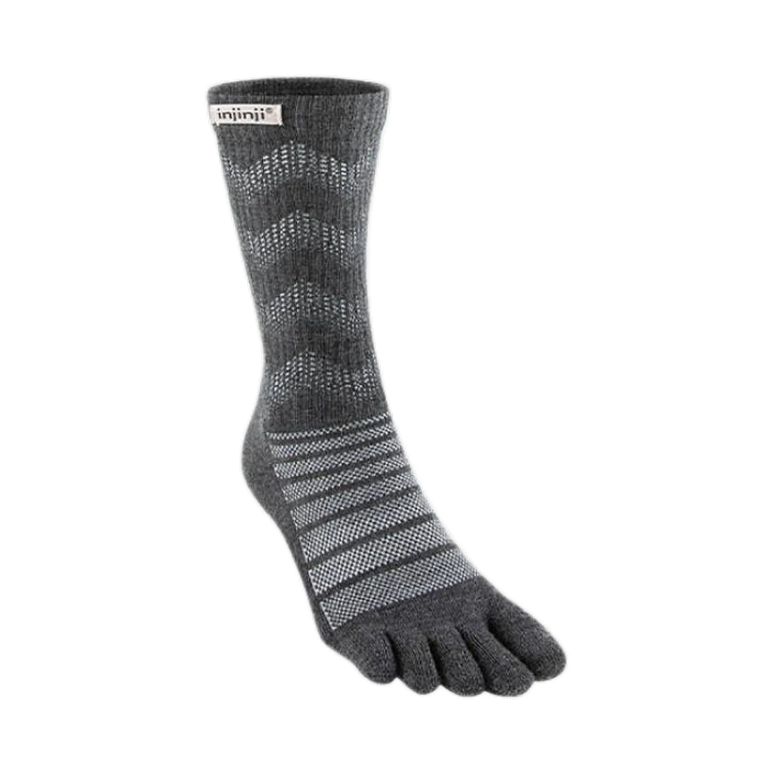
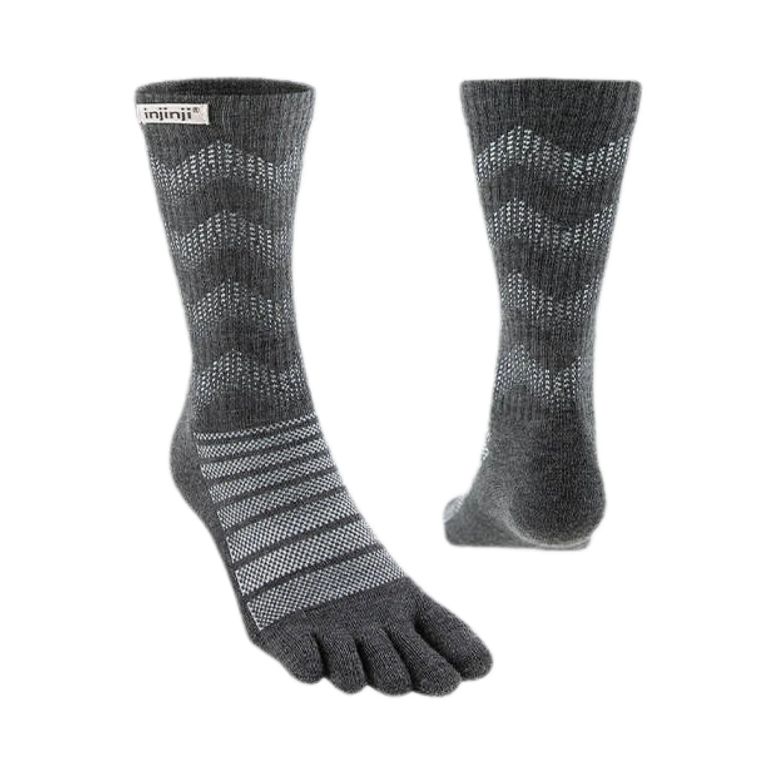
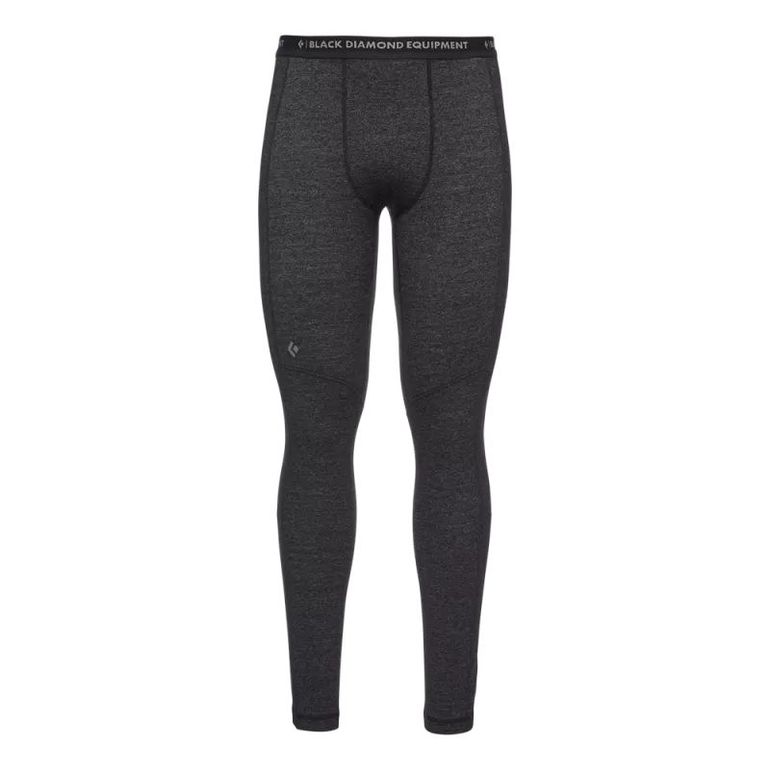
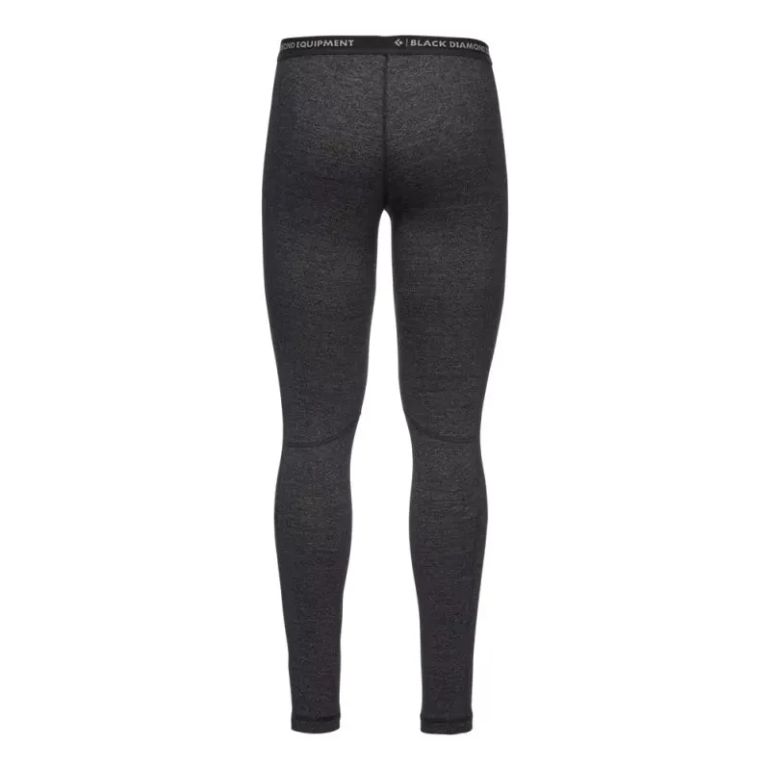
- Comfortable Next-to-Skin Fit: Knit fabric offers a softer, more fluid drape on the body compared to woven fabric. This seamless texture makes it the perfect choice for base layers and socks that require direct, safe, and comfortable skin contact during continuous movement.
The "Knit" feature in Merino wool goes beyond mere aesthetics, combining the natural crimp of fine fibers with the geometry of interlocking circular yarns to deliver exceptional performance, especially in technical and outdoor apparel.
- Stretch & Recovery: Knitting relies on interlocking loops that act as tiny springs. When combined with the natural elasticity of Merino fibers, the fabric gains a comfortable 4-way stretch. This ensures complete freedom of movement during climbing or running, instantly returning to its original shape without sagging at the knees or elbows.
- Advanced Thermoregulation: The knit structure creates microscopic air pockets between the yarn loops. These pockets complement Merino's natural properties to trap body heat in extreme cold, while providing ample ventilation channels to expel excess heat during high physical exertion.
- Travel-Friendly Wrinkle Resistance: Thanks to the spiral structure of the knitted fibers, the garments are incredibly resistant to wrinkles and creases. You can fold and pack the item tightly in a backpack for long periods, and it will emerge ready to wear with a smooth, neat appearance.
- Seamless Next-to-Skin Comfort: Knit fabric offers a softer, more fluid drape on the body compared to woven fabric. This smooth texture makes it the ideal choice for base layers and socks that require direct, safe, and comfortable skin contact throughout your active moments.
Wool Care Guide (Machine Washing) Before washing any woolen garment, always ensure you check the manufacturer’s care label.