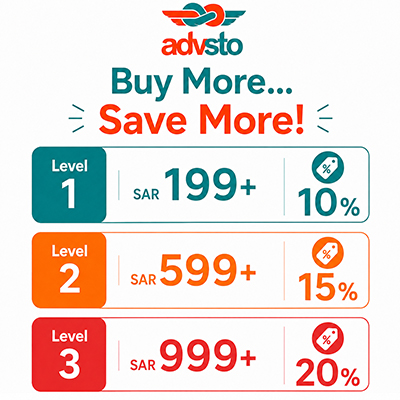
Free shipping on orders over 249 SAR


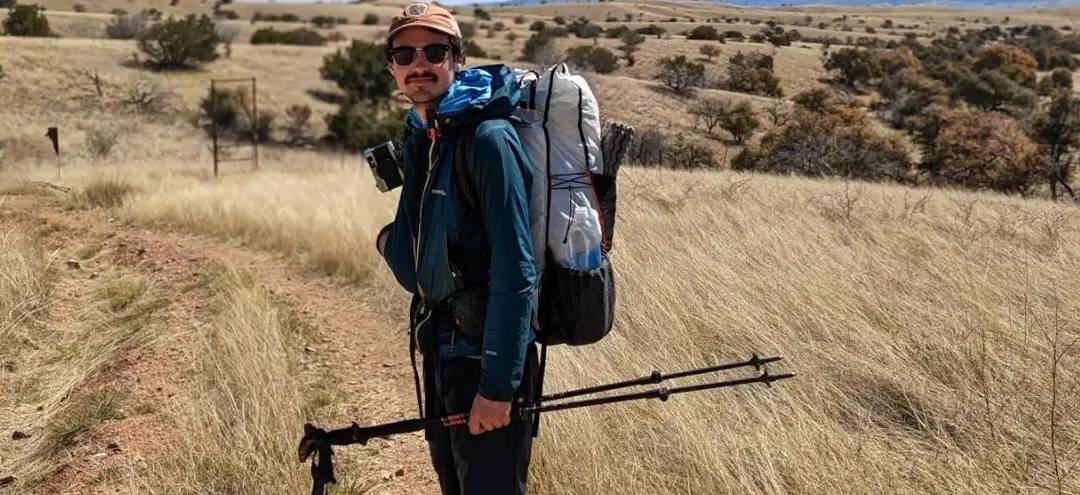
For many outdoor enthusiasts, hiking is the ultimate escape into nature. However, navigating rugged terrains, steep ascents, and unstable descents can place immense pressure on your body, particularly your knees and joints. This is where hiking poles (also known as trekking poles) transform from optional accessories into essential gear.
Whether you are a seasoned mountaineer tackling high peaks or a beginner exploring local trails, using the right pair of hiking poles can completely change your outdoor experience. In this comprehensive guide, we will dive into the practical uses, health benefits, and key types of hiking poles to help you choose the perfect match for your next adventure.
Key Benefits of Using Hiking Poles
Using hiking poles is not just about maintaining balance; it offers proven physical and performance advantages:
- Drastically Reduces Joint Impact: Hiking poles redistribute your body weight and load, shifting a significant amount of stress away from your knees, ankles, and lower back—especially when carrying a heavy backpack during descents.
- Enhances Balance and Stability: Actعام بمثابة نقطتي تلامس إضافيتين مع الأرض (making you a 4-legged hiker), these poles provide unmatched stability on slippery mud, loose gravel, and uneven rocky trails.
- Boosts Cardiovascular Efficiency: By engaging your arms, shoulders, and core muscles, trekking poles help maintain a consistent, rhythmic walking pace, which actually builds momentum and reduces overall fatigue during long treks.
- Versatile Outdoor Utility: Beyond walking, hiking poles can be used to test mud depth, clear dense brush or thorny paths ahead, and even serve as emergency structural poles for ultralight camping tarps or tents.

How to Choose the Right Type of Hiking Poles
When browsing for the ideal trekking poles at Advsto, you will generally encounter three primary designs, each tailored to specific requirements:
1. Telescopic / Locking Poles (The Versatile Standard)
Featuring 2 or 3 overlapping segments that slide into each other, these poles use external lever locks (Flip-Locks) or twist locks to adjust the length. They are highly adjustable, making them perfect for varying trail inclines and sharing among different family members.
2. Folding / Z-Poles (The Compact Travel Choice)
Designed similarly to tent poles, Z-poles fold down into a highly compact, lightweight bundle that easily fits inside a standard daypack. They are the favorite choice for trail runners, fast-packers, and travelers who prioritize minimal storage space and rapid deployment.
3. Anti-Shock Poles (The Joint-Saver)
These poles integrate internal springs or elastomer dampening mechanisms that absorb the harsh vibrations and shock when the pole strikes hard surfaces like rock or concrete. They are highly recommended for hikers prone to wrist, elbow, or shoulder discomfort.
Material Matters: Aluminum vs. Carbon Fiber
The shaft material plays a massive role in the pole's weight, durability, and performance on the trail:
- Carbon Fiber: Incredibly lightweight and highly rigid. Carbon fiber poles excel at absorbing vibrations naturally, making them perfect for long-distance thru-hikers who want to minimize hand fatigue. However, they are more brittle under high lateral stress.
- Aluminum: The ultimate standard for rugged durability. Aluminum poles are slightly heavier than carbon fiber but are highly resilient, economical, and capable of bending without breaking under extreme loads on technical terrains.
Pro-Tips for Using Hiking Poles Correctly
- Adjust for the Incline: On flat terrain, adjust your poles so your elbows form a perfect 90-degree angle. Shorten the poles by a few centimeters during steep climbs to pull yourself up, and lengthen them during steep descents to lean on them securely.
- Use the Wrist Straps Properly: Insert your hand from underneath the strap, then pull down to grip the handle. This allows your wrists to rest on the strap comfortably, absorbing your body weight without needing to squeeze the handle too tightly.
- Match the Tips to the Terrain: Use bare carbide or steel tips for traction on dirt, ice, and gravel. Slip on rubber tip protectors when walking on asphalt or hard rock to prevent slipping and protect the trail.
Gear Up for Your Next Expedition at Advsto
At Advsto, we believe that the right gear empowers you to push boundaries safely. That is why we offer a premium selection of high-performance hiking poles made from elite materials, featuring ergonomic cork and EVA foam grips designed to keep you steady on any terrain.
Explore our outdoor collection today, secure your ideal trekking companion, and experience the trail with maximum comfort, balance, and confidence!