
How to Choose the Right Sharpening Stone?
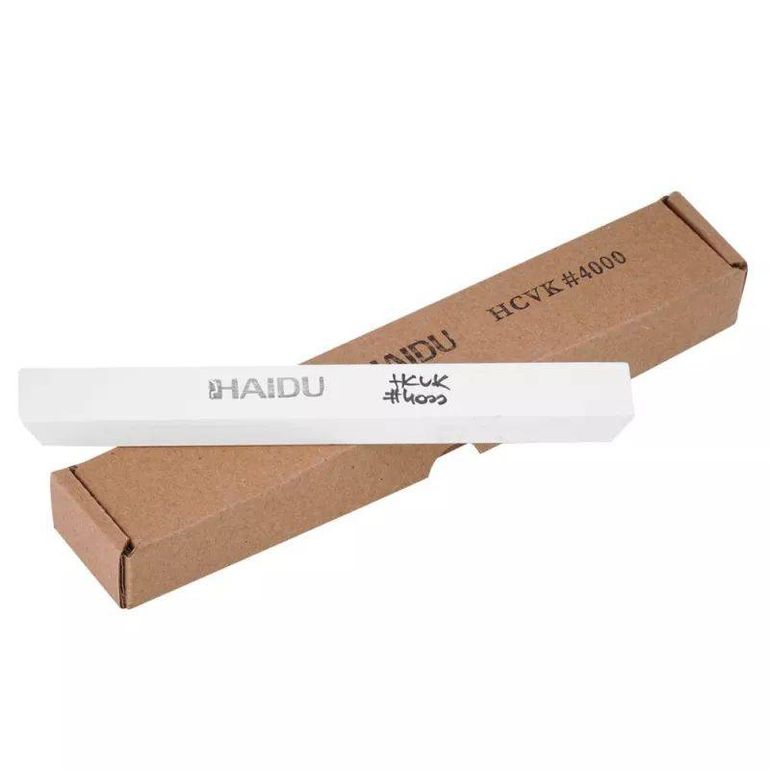
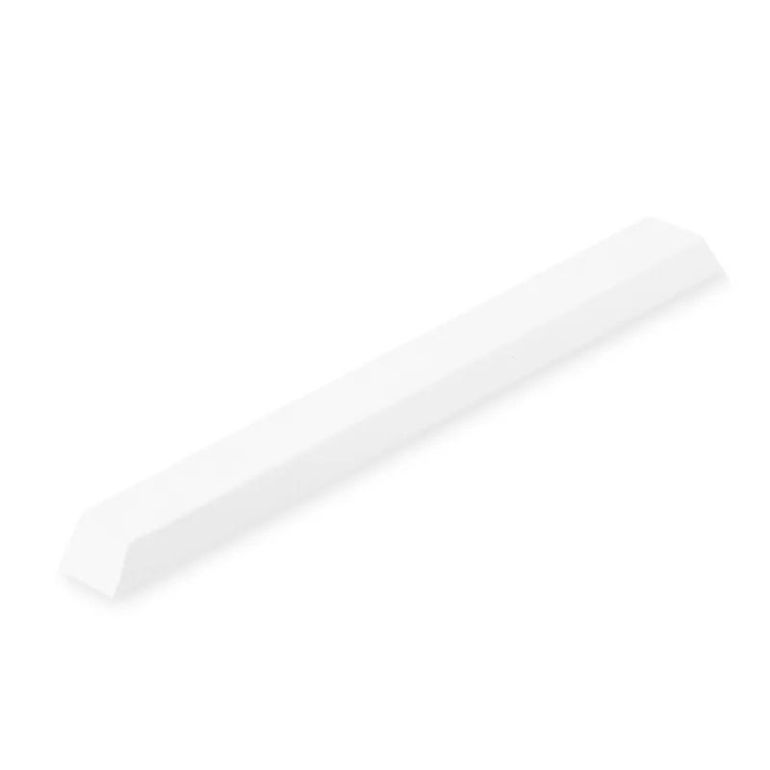
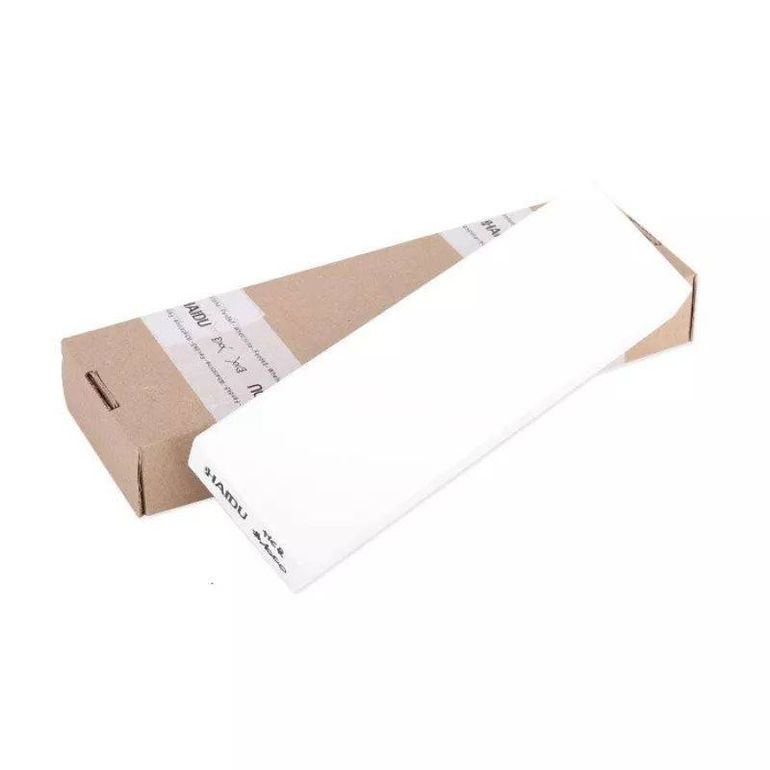
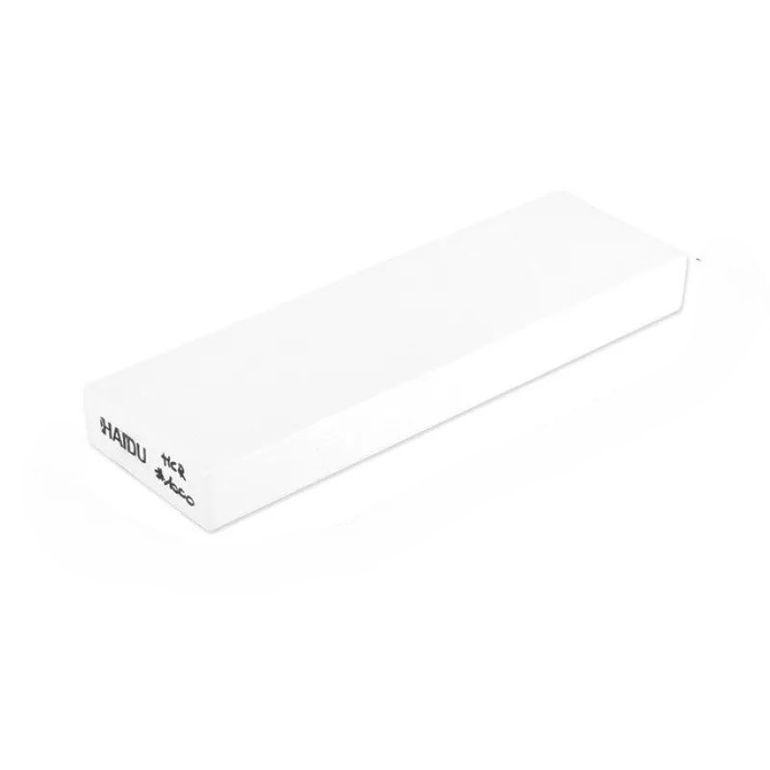
Choosing the right stone depends entirely on the knife type and its steel composition. Hard steel blades require fine-grit stones to avoid damaging the edge, while standard knives benefit more from medium or coarse-grit stones. Additionally, you should consider the stone's size and portability during travel to ensure maximum convenience on the go.
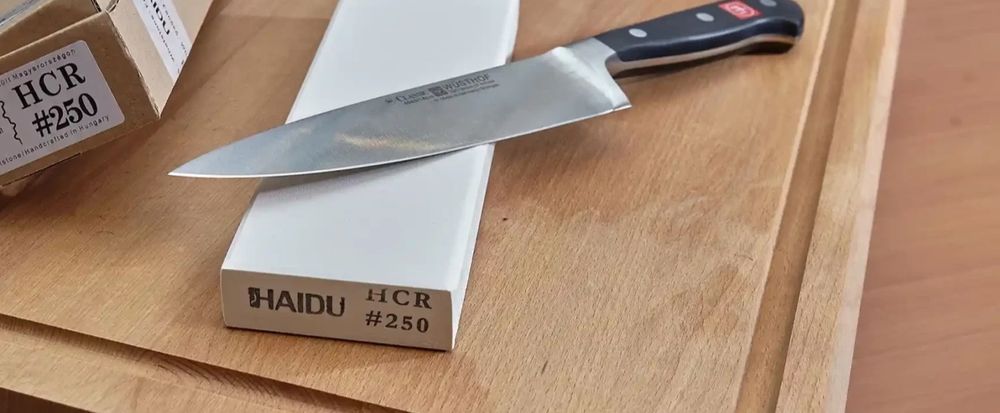
At Advsto, we offer a versatile collection of premium ceramic sharpening stones from the world-renowned brand Haido, allowing you to pick the perfect match while guaranteeing elite quality.
How to Sharpen Knives on a Stone: A Step-by-Step Guide
- Prep the Tools: Wash both the knife and the stone, then dry them thoroughly.
- Set the Angle: Maintain a consistent sharpening angle between 15° and 20°, depending on your knife type.
- The Sharpening Motion: Gently glide the blade back and forth across the stone, applying moderate, even pressure.
- Balance Both Sides: Repeat the process equally on both sides of the blade until it regains its razor sharpness.
- Clean and Store: Clean the knife post-sharpening and store your sharpening stone in a completely dry place.
Tips for Keeping Your Knives Sharp During Long Trips
- Inspect Regularly: Check your blade's sharpness consistently and do not delay necessary touch-ups.
- Stay Equipped: Always carry your Haido ceramic sharpening stone from Advsto with you.
- Proper Storage: Store knives in a secure, dry place to prevent moisture exposure and rust.
Frequently Asked Questions (FAQs)
1. How can I sharpen knives at home?
- Set up your workspace: Clean the knife and your sharpening stone (a ceramic stone or other suitable sharpening stones are preferred).
- Lubricate the stone: Wet the stone slightly with water, as some stones require lubrication before use.
- Lock the angle: Keep the knife at a steady angle, usually between 15° and 20° based on the blade type.
- Glide the blade: Stroke the knife back and forth across the stone while maintaining the exact angle and moderate pressure.
- Flip and repeat: Work on the other side of the blade to ensure an evenly balanced sharpness.
- Clean up: Wipe the knife down to remove any metal residue, and dry it thoroughly.

2. What is the best stone for sharpening a knife?
A ceramic sharpening stone is widely considered one of the best choices because it is:
- Lightweight and highly portable for outdoor trips.
- Durable, long-lasting, and resistant to quick wear.
- Delivers a highly precise, smooth, and refined edge.
3. How many passes on the stone are needed to sharpen a knife?
It depends entirely on the blade's condition, but generally:
- 10 to 20 passes per side if the knife is moderately dull.
- More passes may be required if the knife is severely dull or chipped.
- The golden rule is to perform an equal number of passes on both sides to keep the edge perfectly centered.
4. What is the correct knife sharpening angle?
- The ideal sharpening angle is typically between 15° and 20°.
- Precision knives (like Japanese culinary knives) require a finer angle, closer to 15°.
- General utility, outdoor, or Western kitchen knives utilize an angle of around 20°.
- Maintaining a consistent angle throughout the entire process is the ultimate secret to a sharp and long-lasting edge.